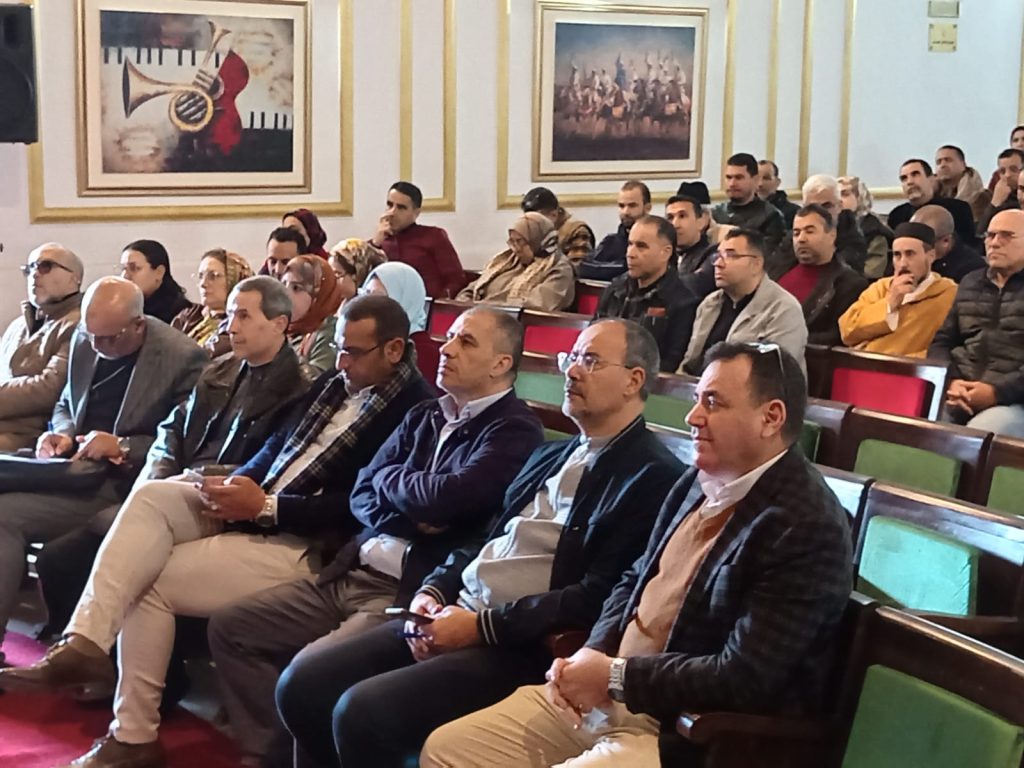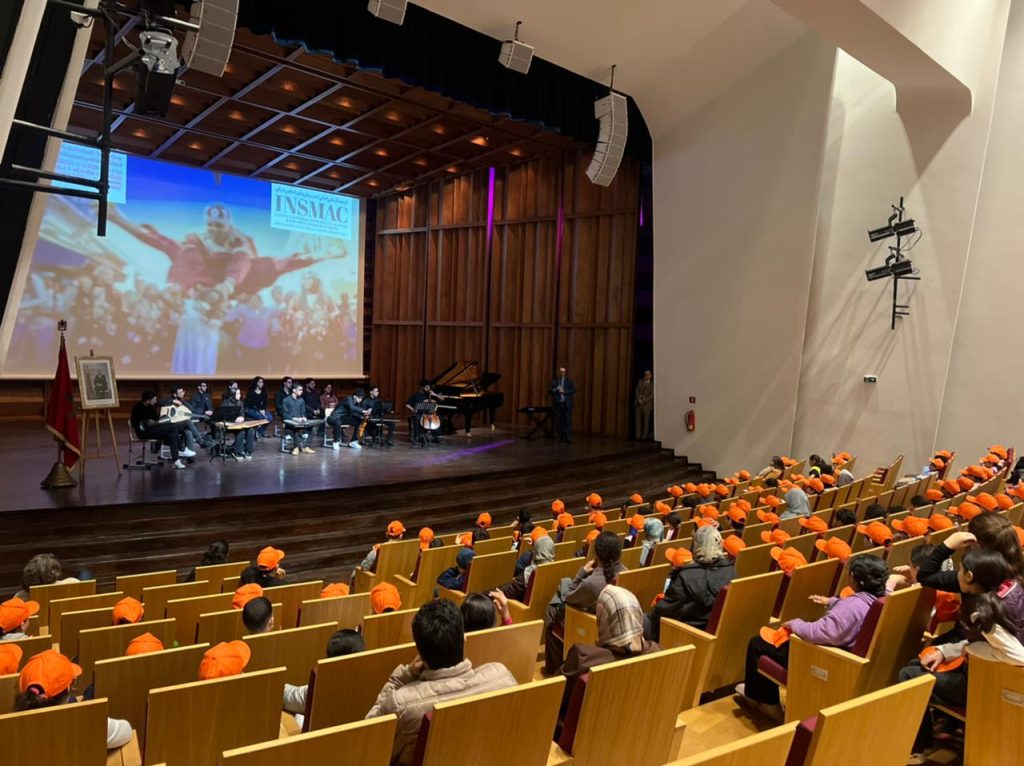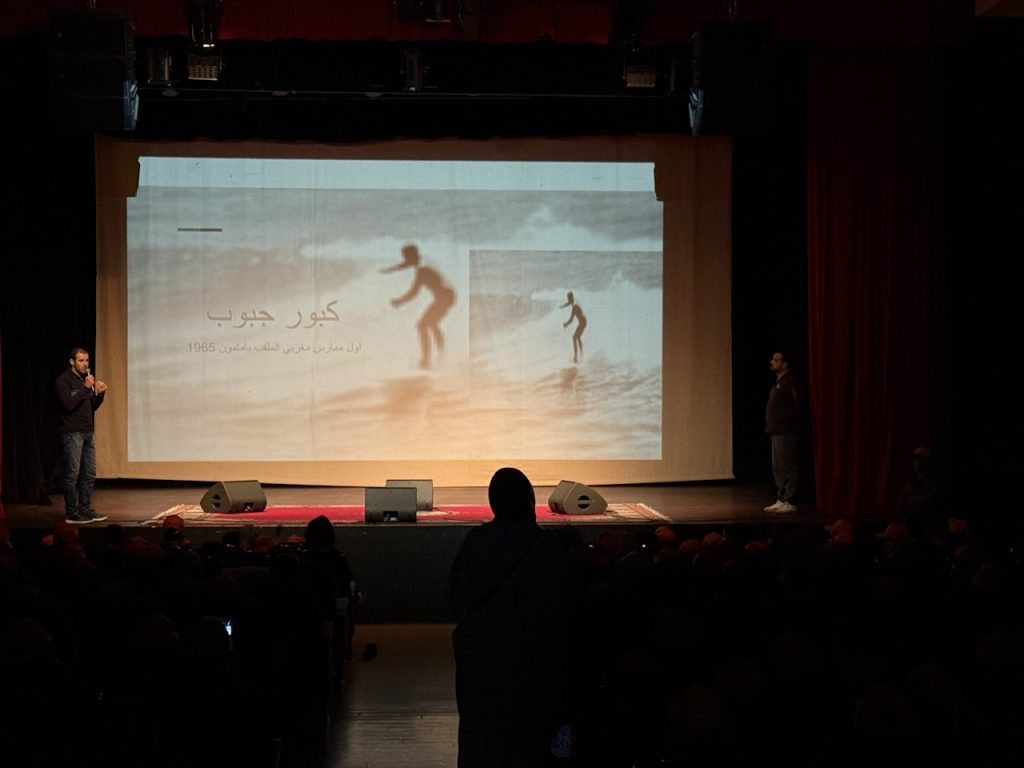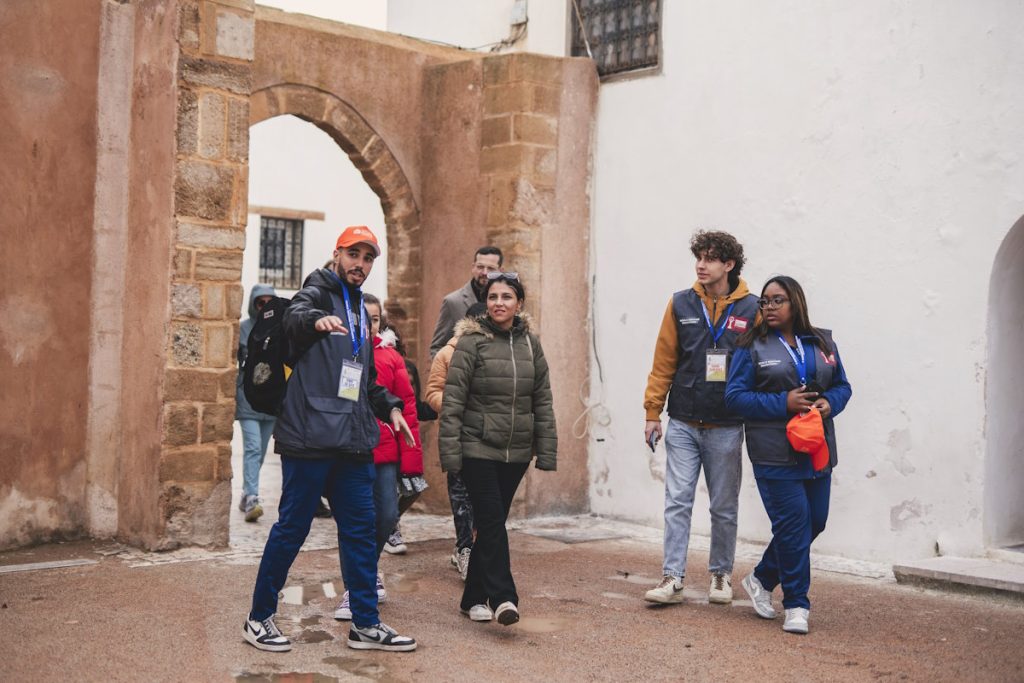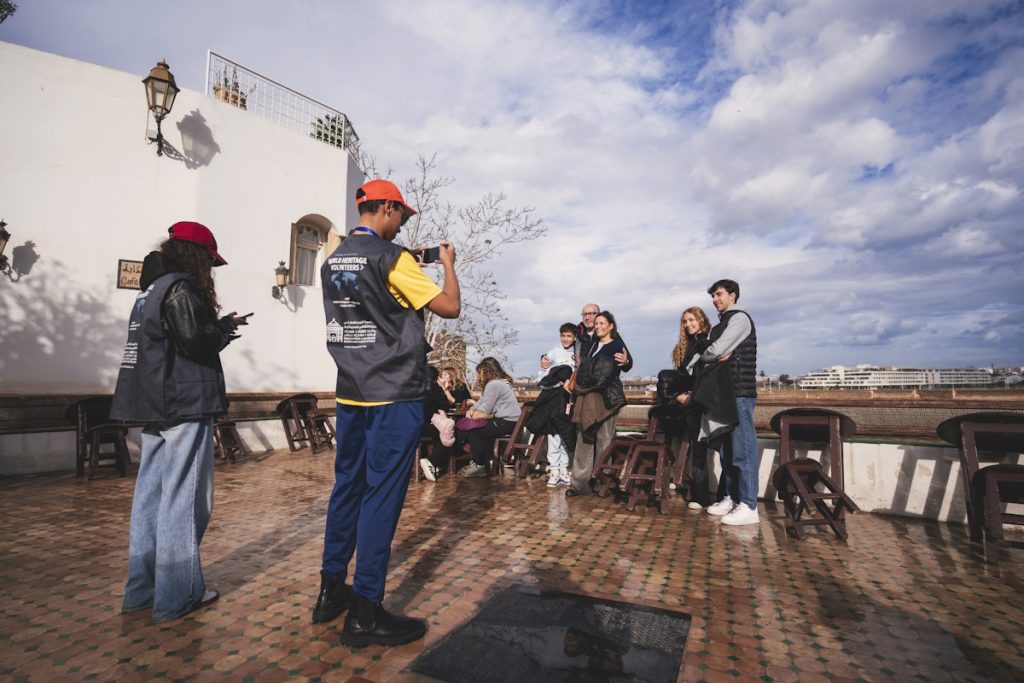
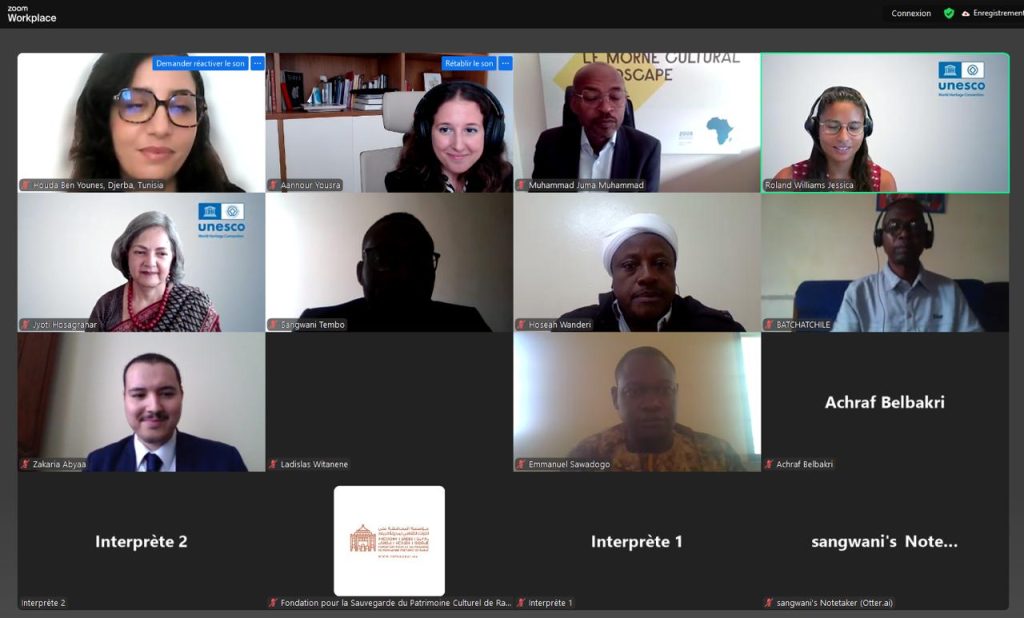
As part of the capacity-building series “African Heritage Sites Facing Climate Change,” the Fondation pour la Sauvegarde du Patrimoine Culturel de Rabat, in partnership with UNESCO, held Workshop 2 under the theme “African Heritage — A Legacy of Resilience and Harmony with the Environment.”
African heritage sites represent an invaluable cultural wealth, yet they are increasingly threatened by the impacts of climate change. The workshop highlighted how these sites, shaped by centuries of human ingenuity, demonstrate a remarkable capacity for adaptation through a combination of technical approaches, cultural knowledge and community-driven dynamics. Participants explored how vernacular architecture, cultural practices and collective resource management offer concrete and inspiring responses to the challenges posed by climate change.
The discussions underscored the relevance of traditional building systems—such as the use of local materials like earth, wood and stone, and the integration of passive ventilation and insulation—which continue to inform sustainable approaches to construction and environmental adaptation. Speakers also addressed the intricate relationship between ecosystems and heritage, showing how the protection of cultural sites contributes to safeguarding local environments, supporting livelihoods, managing water resources and, in many cases, ensuring food security.
The workshop further showcased innovative conservation experiences that combine ancestral knowledge with contemporary technologies to strengthen the resilience of heritage sites. These case studies illustrated how modern conservation can evolve while remaining deeply anchored in cultural continuity.
Throughout the presentations, particular attention was given to the role of intangible heritage. Rituals, oral traditions and intergenerational knowledge were highlighted as essential elements of environmental management and climate adaptation strategies, reflecting community cohesion and the transmission of ecological wisdom across generations.
Through this workshop, African heritage emerged not only as a testament to history and identity, but also as a living reservoir of solutions, capable of guiding climate-resilient strategies and contributing meaningfully to global reflections on sustainability.