The art of the Rabat Carpet

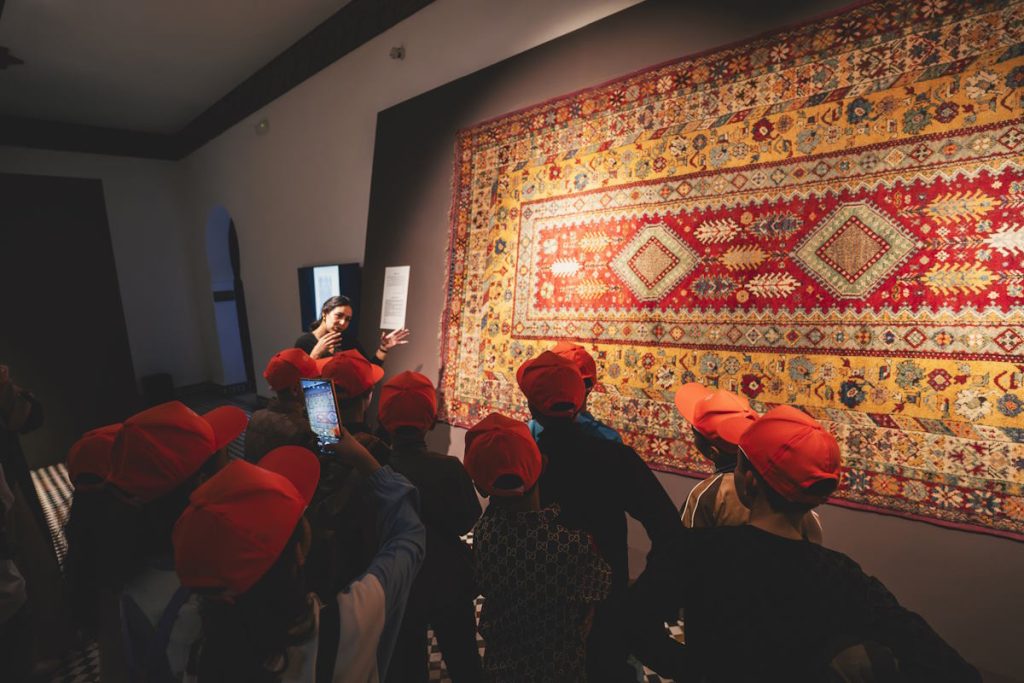
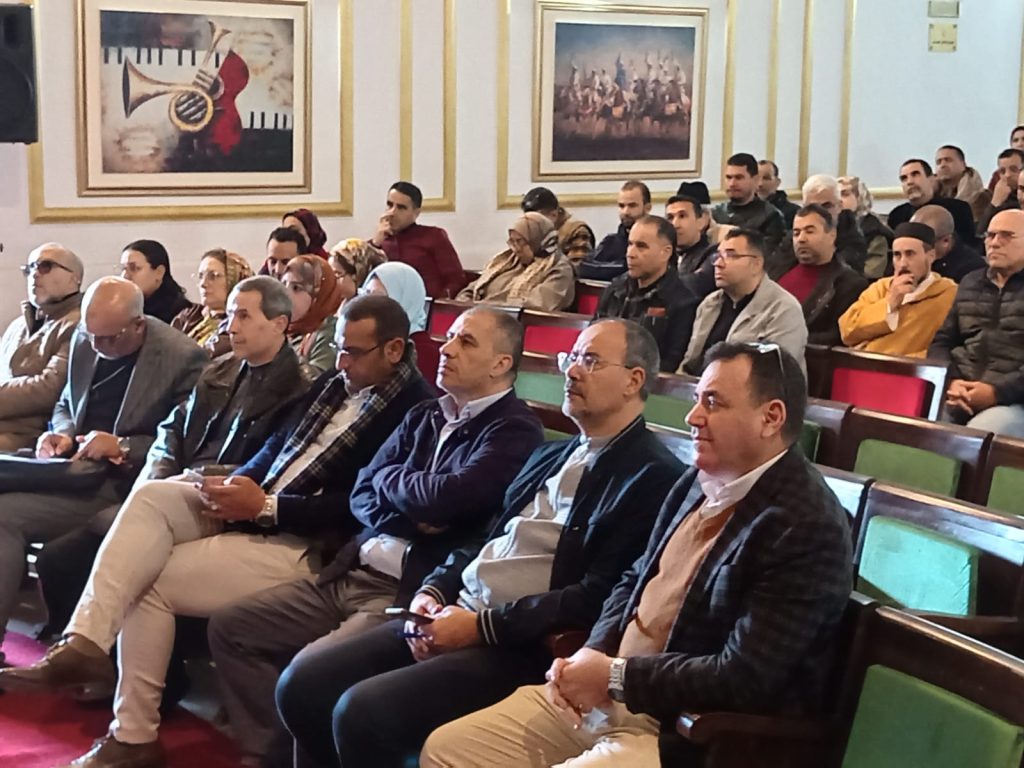
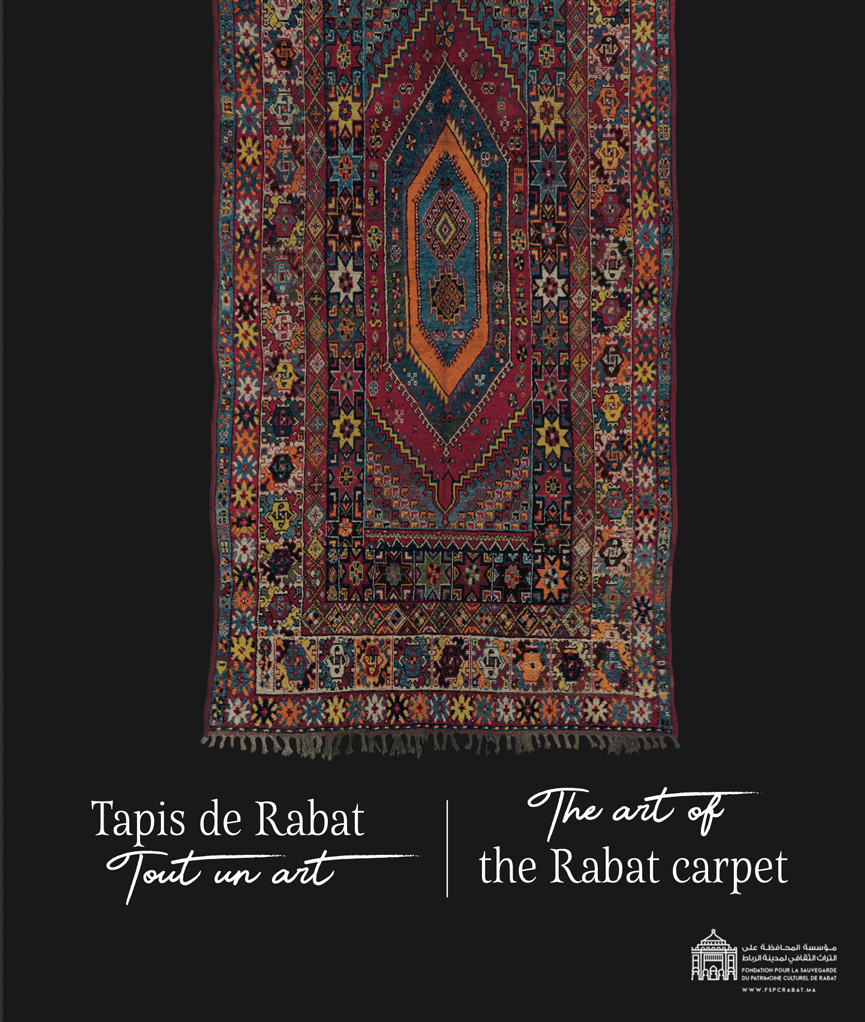
The Foundation for Safeguarding the Cultural Heritage of Rabat presents an exhibition “The Art of the Rabat Carpet, in partnership with the Ministry of Youth, Culture and Communication and Maison de l’Artisan, in the framework of events organised in parallel to the 17th session of the Intergovernmental Committee for the Safeguarding of the Intangible Cultural Heritage. This event aims to present a stunning element of the heritage of Rabat, the host city for this session, celebrating the tenth anniversary of its inclusion on UNESCO’s list of World Heritage Sites.

The Rabat carpet embodies the importance of the transmission of technical prowess, in a process that has been developed since the 18th century and even earlier. The practioners, mainly comprising women weavers working in domestic or community spaces, exercise their refined skills with a manual dexterity handed down from generation to generation. They create increasingly high-quality carpets that have become luxury objects, suitable to offer or purchase as wedding gifts for example.

The Rabat carpet appeared in Morocco at the end of the 18th century. Associated with urban life, it is inspired by oriental carpets, notably by its borders composed of multiple bands that frame a central field cornered by four triangles – or spandrels – and decorated with floral motifs. The Rabat carpet has nonetheless kept all its originality, thanks to the local taste, skill and knowledge of Moroccan women weavers. This is demonstrated in the design, a luxuriant corpus of floral and geometric ornaments, consolidated by the finesse and strength of warp and weft yarns, and knotted wool.

The Rabat carpet has become a symbol that expresses a history of secular feminine creativity that continues to drive the culture of today.
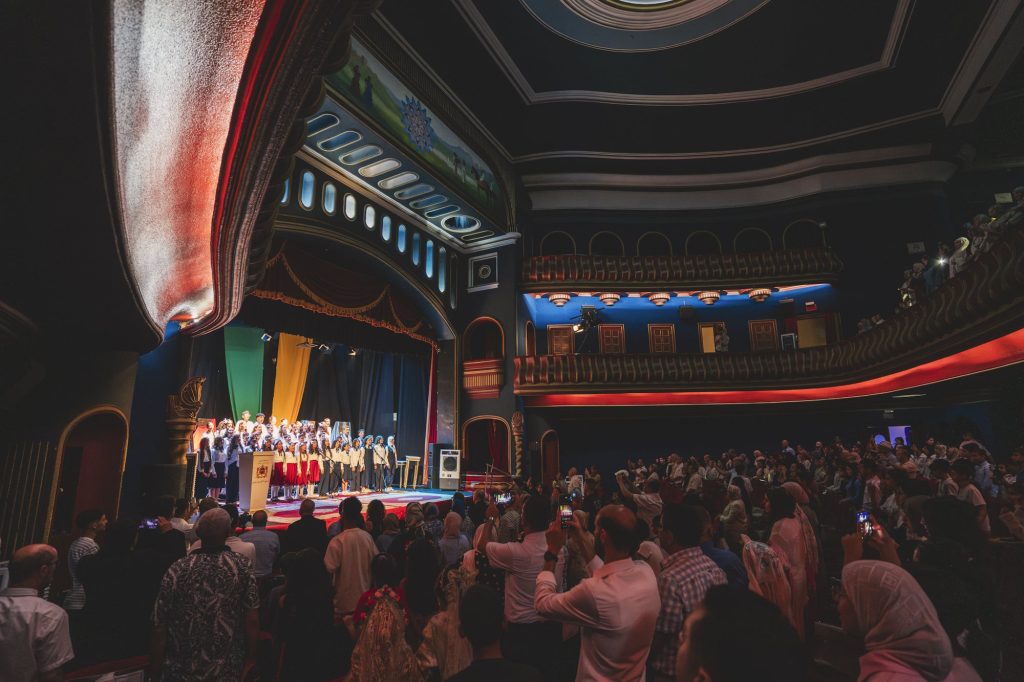
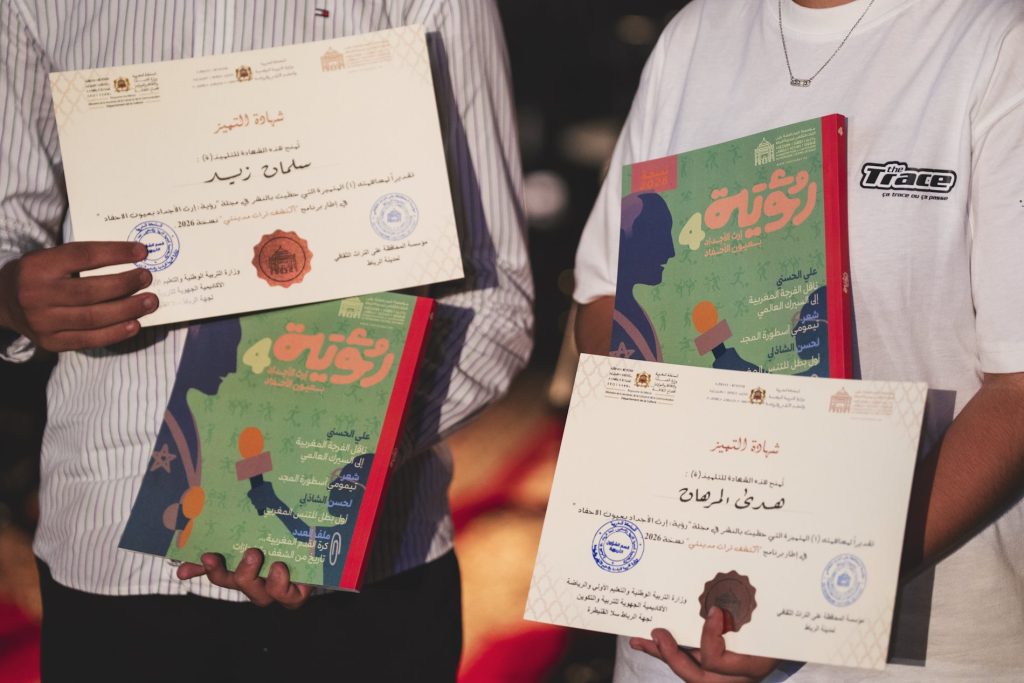
Photos

Videos

Suggestions

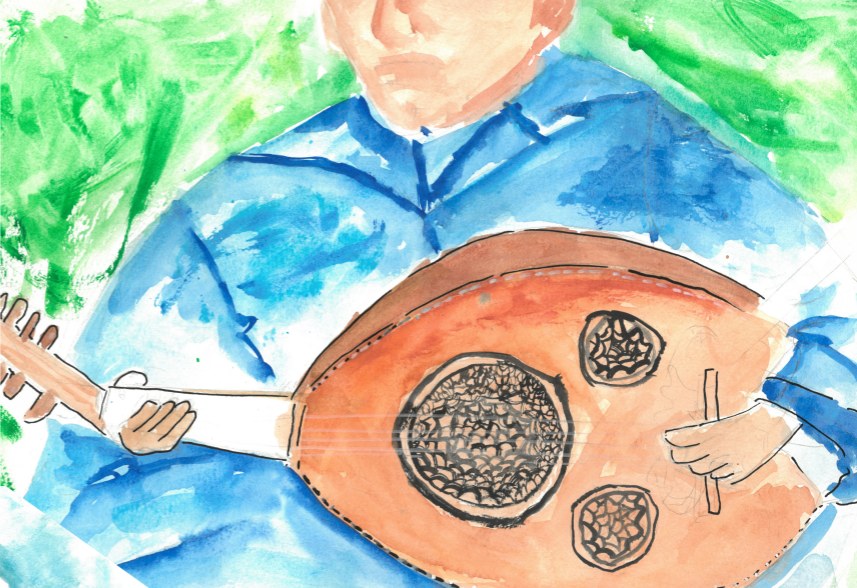
As part of the UNESCO Week for Cultural and Artistic Education 2026, the Foundation for the Safeguarding of the Cultural Heritage of Rabat published an illustrated publication entitled “7 Chapters of Our Musical Heritage”, created by primary school children aged 8 to 12 from schools across Rabat.

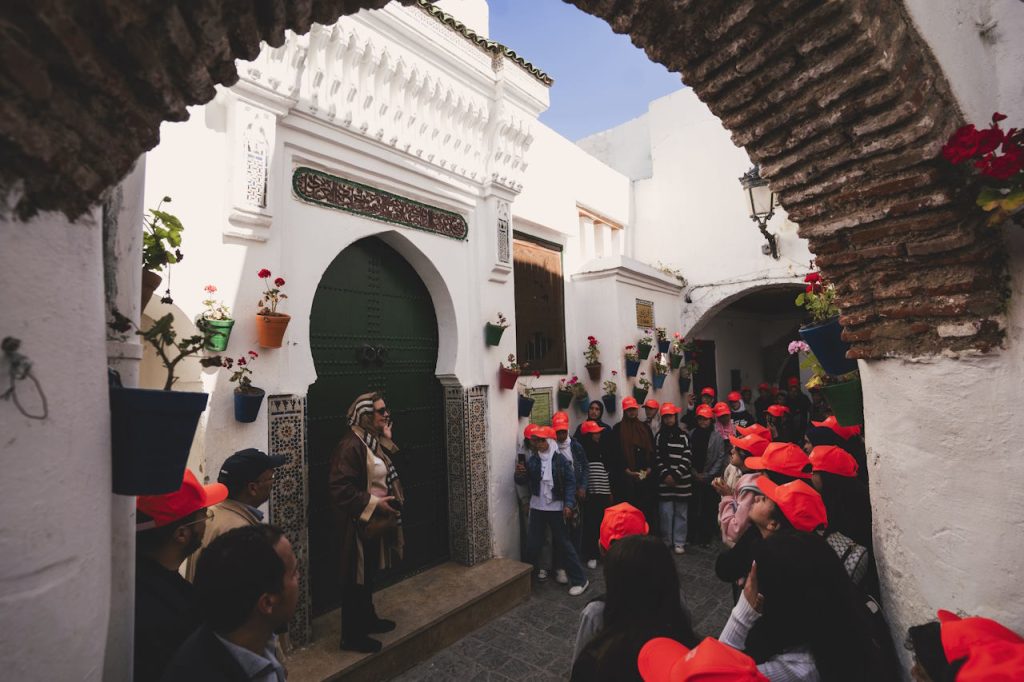
This initiative was implemented within the framework of the educational programme “I Draw My Heritage”, which encourages children to explore and reinterpret cultural heritage through drawing, observation and creative expression.

The initiative combined teachers’ capacity-building, pedagogical training, artistic practice and heritage education, with a particular focus on Moroccan musical expressions as intangible cultural heritage and as vectors of memory, identity and intercultural dialogue.

This initiative was developed in collaboration with the National Institute of Music and Choreographic Arts (INSMAC) and the National Conservatory of Music, whose academic and artistic contributions helped enrich the pedagogical and cultural dimensions of the workshop. The programme also aims to create bridges between different disciplines, institutions and fields of expertise by bringing together culture, education, heritage and the arts within a shared framework of transmission, creativity and cultural awareness.

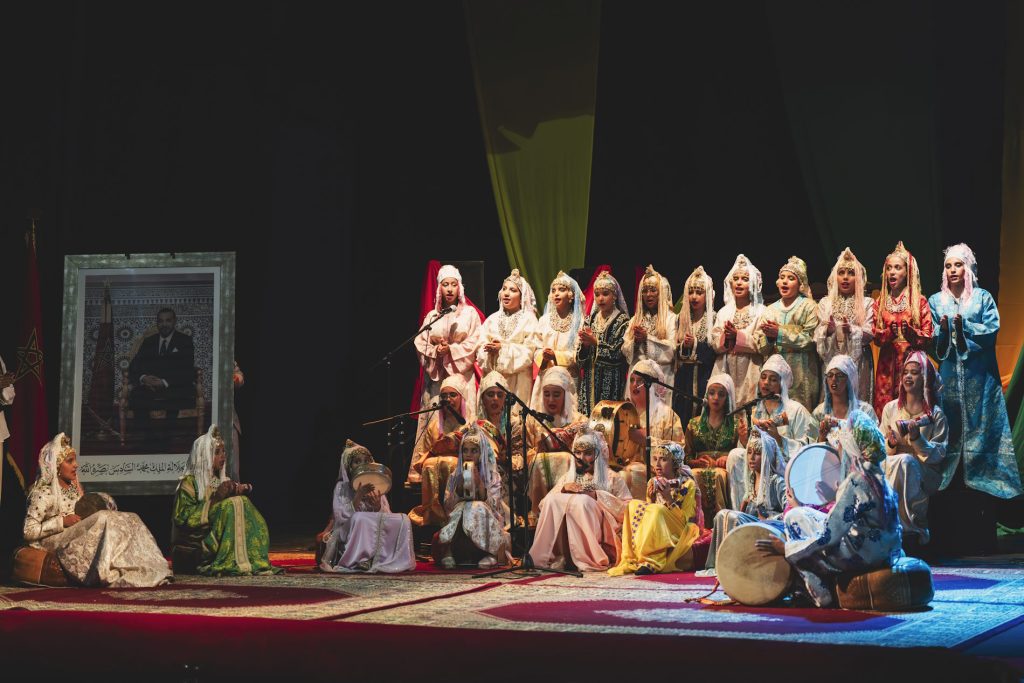
The publication brings together children’s drawings, interpretations and creative reflections inspired by Moroccan musical heritage, including themes related to Tarab Al Ala, Malhoun and Gnawa traditions. Conceived as both an educational and artistic resource, it highlights the role of children as active participants in the transmission and reinterpretation of intangible cultural heritage. The publication is freely accessible online in order to promote public access to cultural and artistic education.

I Draw My Heritage.pdf

26 May 2026