African Urban Heritage: Challenges of Preservation and Issues of Development

African Urban Heritage: Challenges of Preservation and Issues of Development

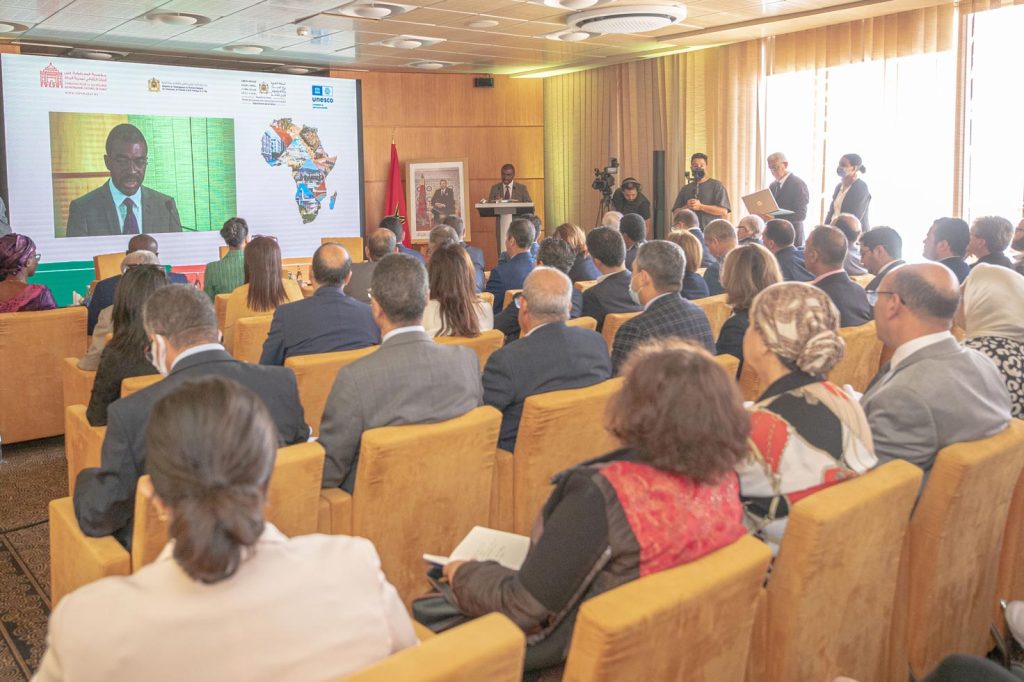
The Foundation for the Safeguarding of Cultural Heritage of Rabat held a conference on “African Urban Heritage: Challenges of Preservation and Issues of Development”, on Wednesday, May 25, 2022, in partnership with the Ministry of National Land Management, Urban Planning, Housing and Urban Policy, the Ministry of Youth, Culture and Communication and UNESCO. The meeting was as part of the triple commemorations of “Rabat, African Capital of Culture”, “10 years of Rabat on the World Heritage List” and “50 years of the 1972 Convention”.

The meeting was officially opened by the Ministers of National Territorial Planning, Urbanism, Housing and Urban Policy, an of Youth, Culture and Communication as well as UNESCO World Heritage Center Director, Mr. Lazare Eloundou Assomo.

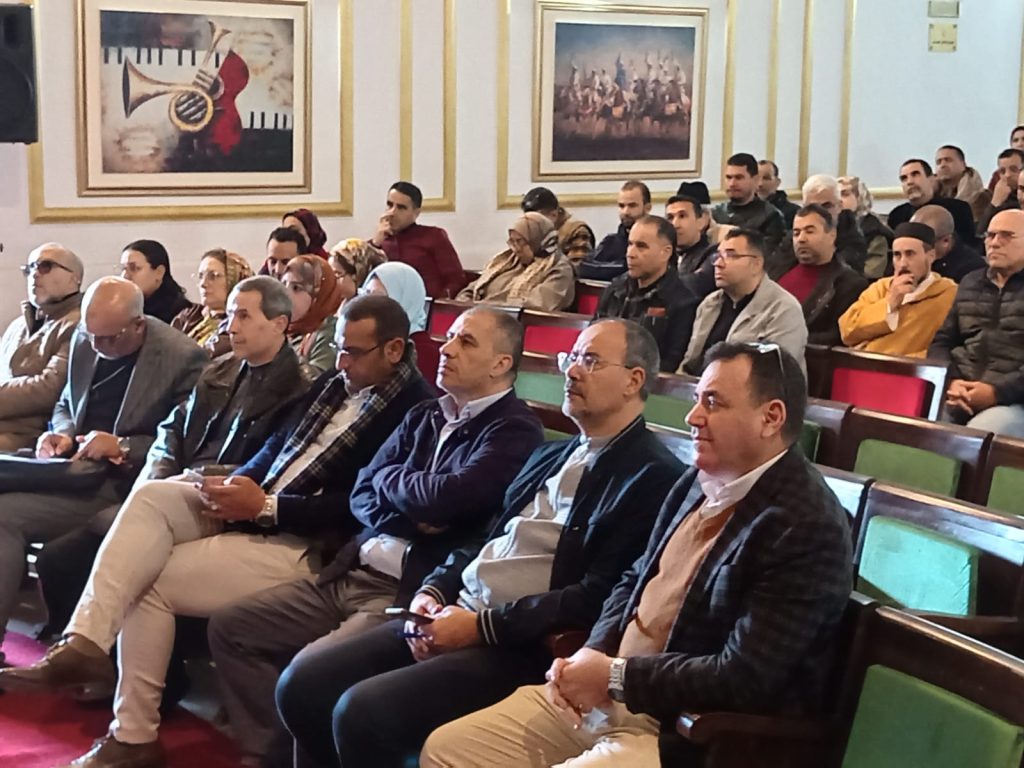
People attended to this conference, urban planners, architects, academics, researchers, institutions and stakeholder representatives. The conference was also broadcast live by videoconference; confirming broad interest in a topic essential to the sound preservation of heritage in all its forms.

Nine experts from a variety of backgrounds and disciplines, conducted the event with a view to presenting notions of safeguarding urban heritage through recognizing it in the first place, and subsequently adjusting protection measures to specific contexts and problems. Contributors presented case studies on rich heritage sites in Africa (including Senegal, Tunisia, Ivory Coast, Eritrea, Benin, Mauritania, Morocco, etc.), illustrating how architecture is the result of a broader urban approach. Protecting architectural heritage consequently needs to be part of a comprehensive urban approach and Rabat is a success story in this regard. The event consisted of two panels, the first dealing with historical urban centers and the second addressing modern heritage. The second panel featured presentations on the role of the 1972 Convention in safeguarding modern and historic heritage in terms of architecture and urban expression, as well as an approach focused on Historic Urban Landscape and reconciling the historical strata within a city.

The challenge is to preserve the identity of African cities, as physical testimony of the multiple historic facets and cultural values they embody, while preserving universal accessibilitý, for future generations. Culturally sensitive urban strategies are essential to creating resilient and inclusive modern cities.

The meeting offered valuable insights into successful experiences and best practices in safeguarding urban heritage, inspiring inclusive and comprehensive approaches to developing African historic cities, and setting a basis for sustainable and responsible planning and management tools.

The conference is part of the Foundation’s “Workshop” program, designed to bring together heritage stakeholders through national and international exchange platforms for practitioners, researchers, institutions and civil society.

The program offers a variety of formats (workshops, meetings, conferences and round tables) to promote the sharing of expertise, information and best practices, while consolidating networks and encouraging collaborative efforts and partnerships.

All platforms stem from the Foundation’s determination to provide optimal conditions for genuine dialogue and attentive listening, thereby fostering convergence of views among stakeholders and building collective intelligence.
Photos

Videos

Suggestions

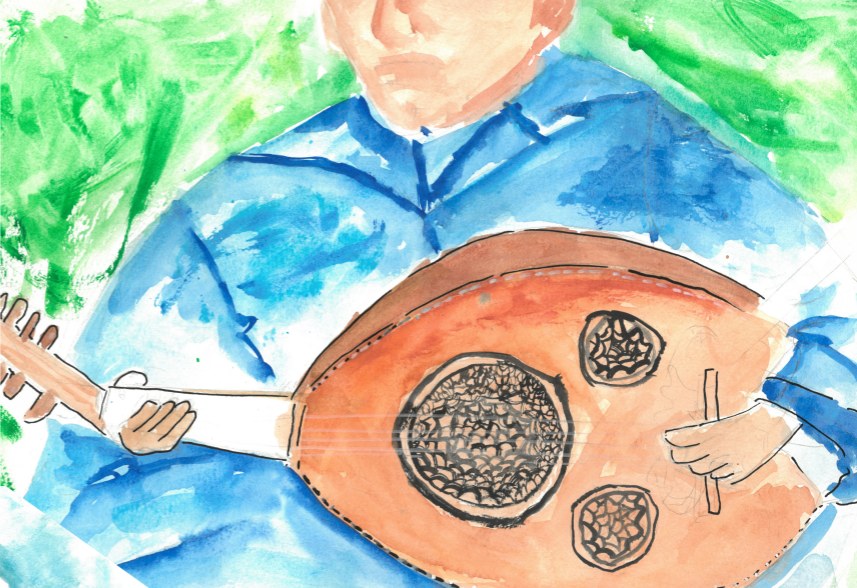
As part of the UNESCO Week for Cultural and Artistic Education 2026, the Foundation for the Safeguarding of the Cultural Heritage of Rabat published an illustrated publication entitled “7 Chapters of Our Musical Heritage”, created by primary school children aged 8 to 12 from schools across Rabat.

This initiative was implemented within the framework of the educational programme “I Draw My Heritage”, which encourages children to explore and reinterpret cultural heritage through drawing, observation and creative expression.

The initiative combined teachers’ capacity-building, pedagogical training, artistic practice and heritage education, with a particular focus on Moroccan musical expressions as intangible cultural heritage and as vectors of memory, identity and intercultural dialogue.

This initiative was developed in collaboration with the National Institute of Music and Choreographic Arts (INSMAC) and the National Conservatory of Music, whose academic and artistic contributions helped enrich the pedagogical and cultural dimensions of the workshop. The programme also aims to create bridges between different disciplines, institutions and fields of expertise by bringing together culture, education, heritage and the arts within a shared framework of transmission, creativity and cultural awareness.

The publication brings together children’s drawings, interpretations and creative reflections inspired by Moroccan musical heritage, including themes related to Tarab Al Ala, Malhoun and Gnawa traditions. Conceived as both an educational and artistic resource, it highlights the role of children as active participants in the transmission and reinterpretation of intangible cultural heritage. The publication is freely accessible online in order to promote public access to cultural and artistic education.

I Draw My Heritage.pdf

26 May 2026

The Foundation for the Safeguarding of the Cultural Heritage of Rabat, presided by Her Royal Highness Princess Lalla Hasnaa has launched a rich program of cultural and heritage-related activities to mark the hosting by the Kingdom of Morocco of the 2025 Africa Cup of Nations, a continental event offering an opportunity to enhance Morocco’s cultural and civilizational outreach.

This program reflects Rabat’s unique role as the capital of the Kingdom and a UNESCO World Heritage Site, a city shaped by encounter, dialogue, and openness.

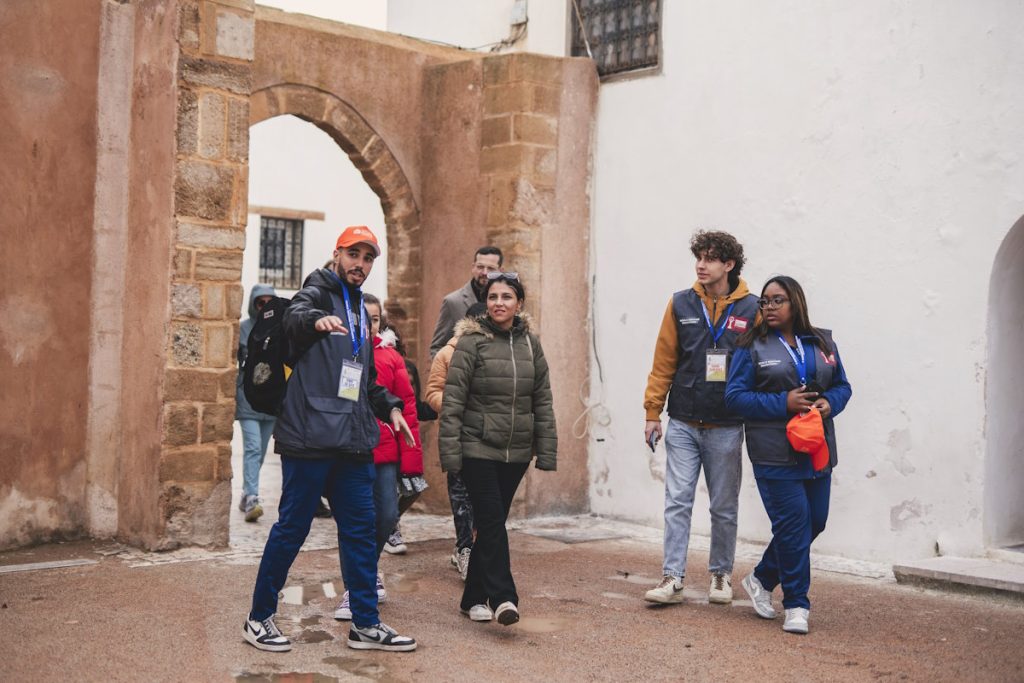
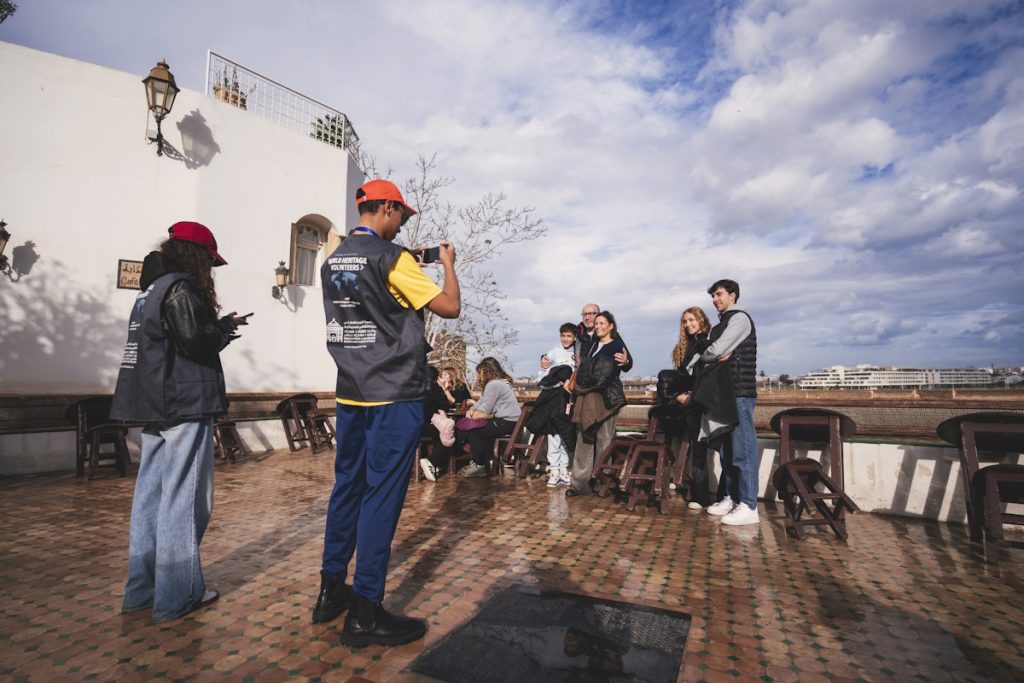
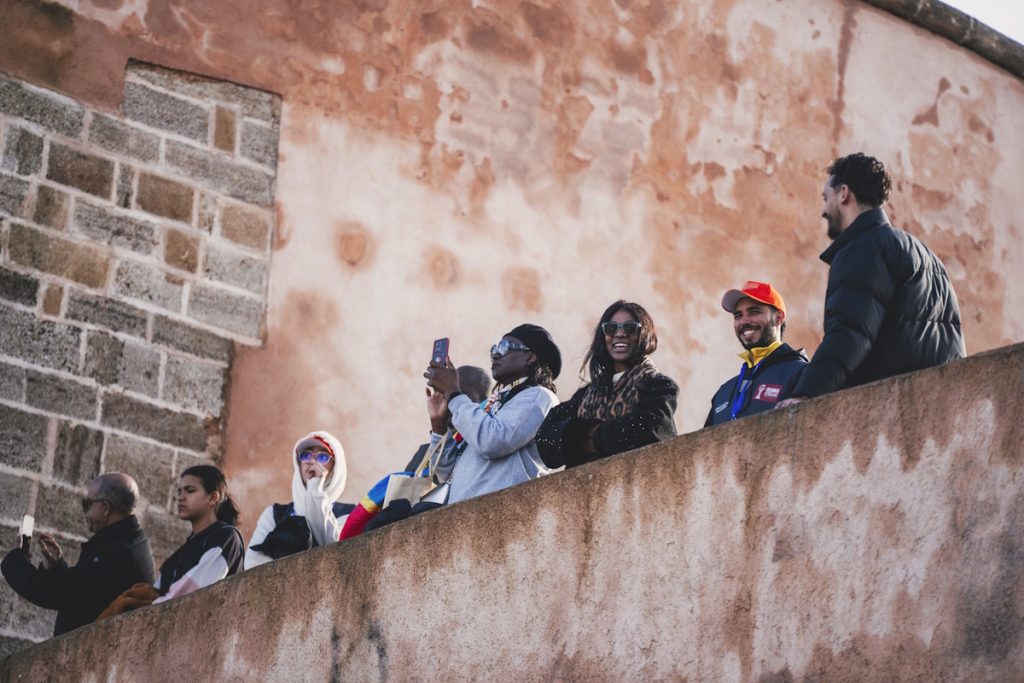
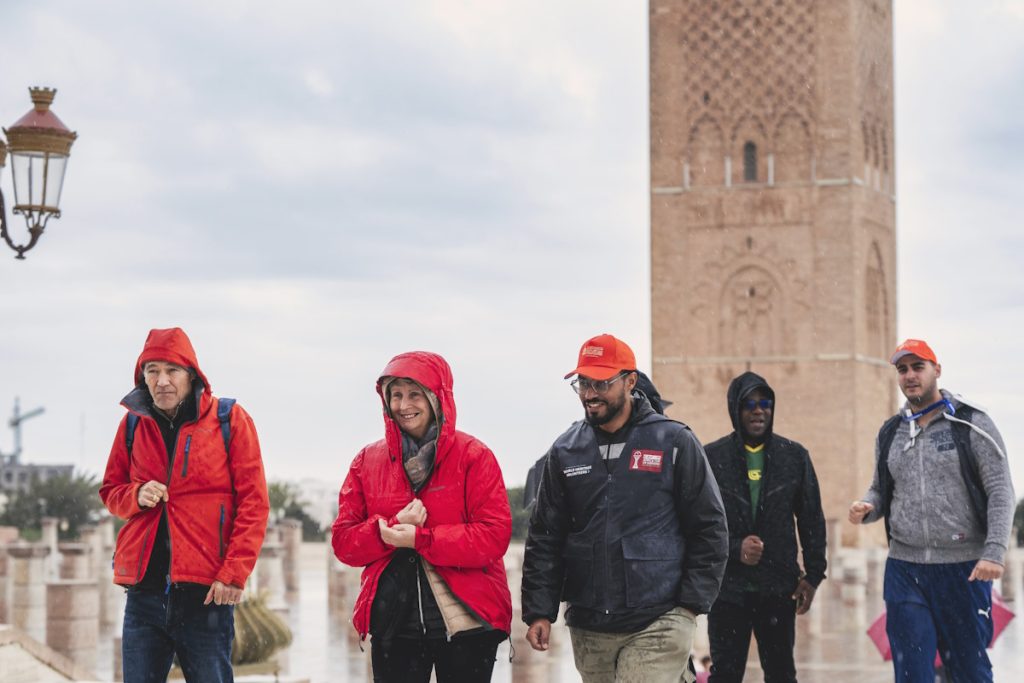
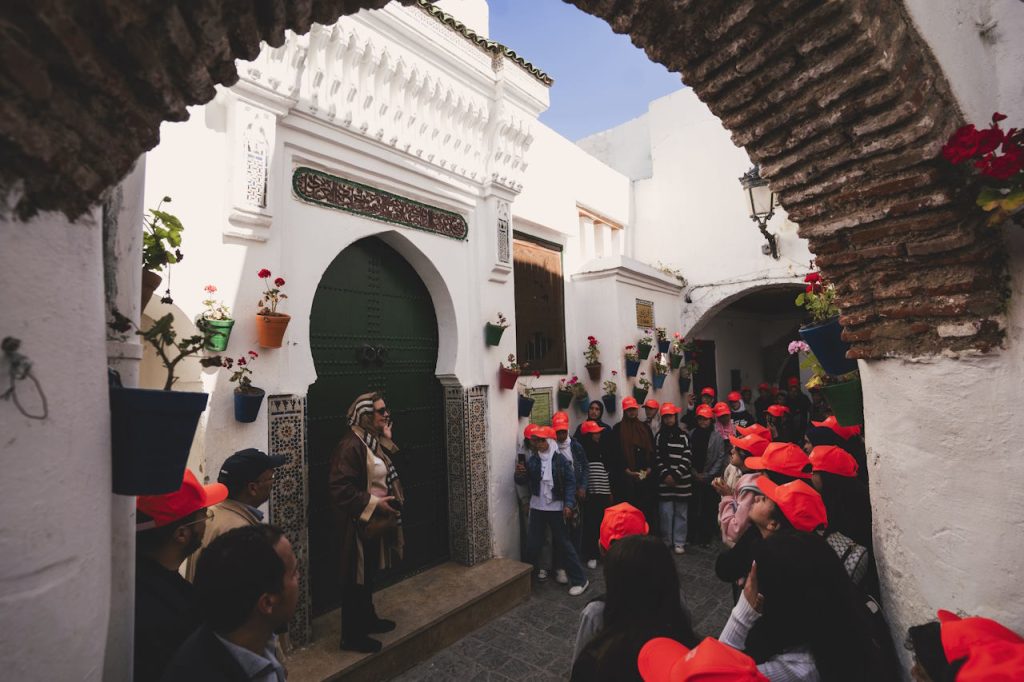
From December 27, 2025 to January 18, 2026, the Foundation invites residents and visitors of the Capital to enjoy a program of free guided tours every weekend across Rabat’s eight UNESCO World Heritage sites.

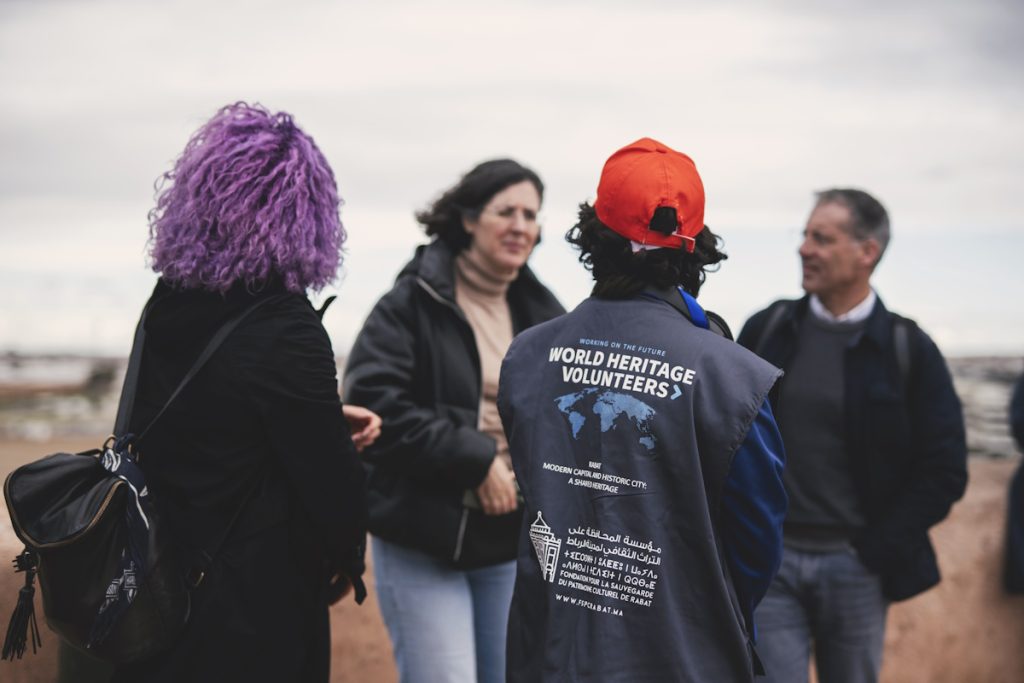
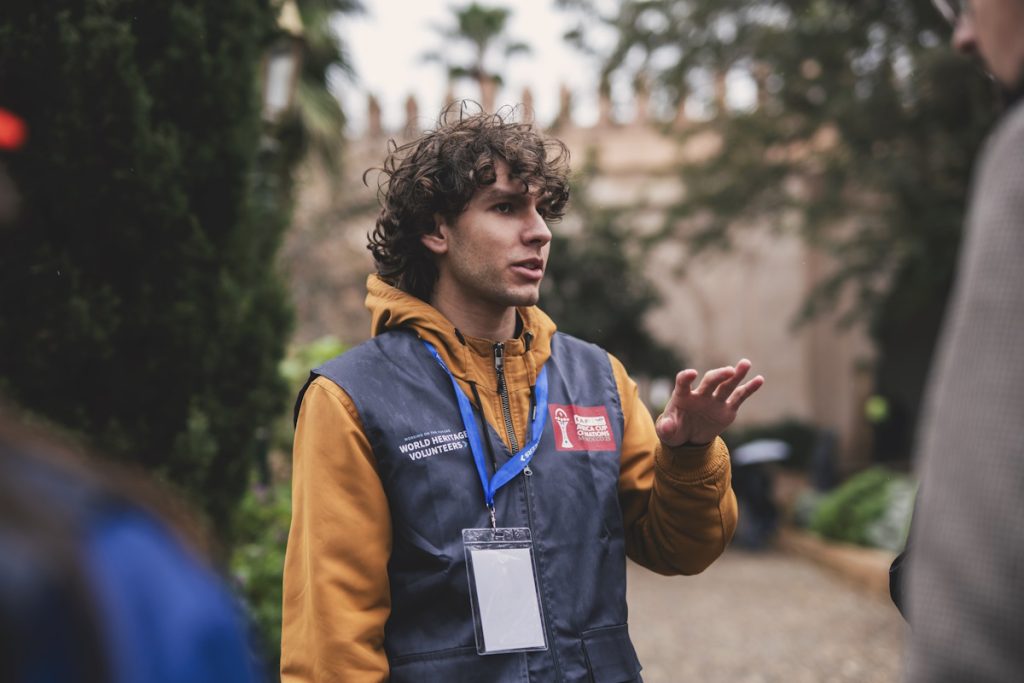
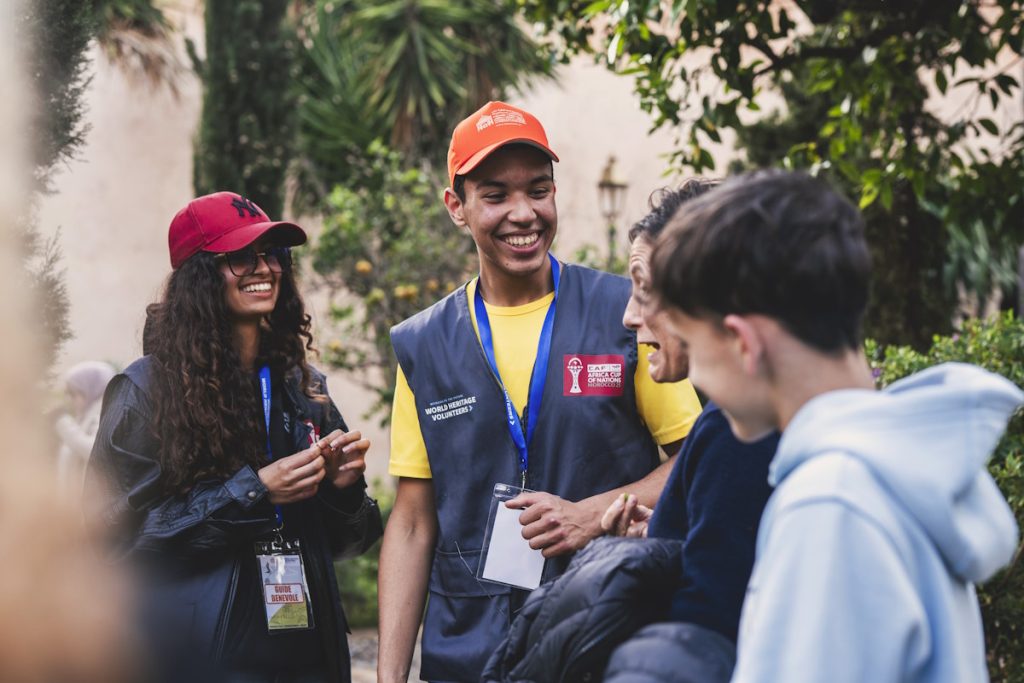
Led by enthusiastic student volunteers trained as part of UNESCO’s World Heritage Volunteers initiative, these tours offer a unique opportunity to discover the city’s heritage in an engaging and accessible way.

Designed to bring heritage closer to the public, these itineraries aim to make cultural sites more approachable while encouraging young people to play an active role in their preservation, promotion, and transmission—especially in an international context marked by the presence of visitors from many different countries.

27 December 2025

What do you know about Morocco’s victory at the 1976 Africa Cup of Nations ? Have you ever listened to an interview with one of the heroes behind this legendary achievement? How did the Moroccan team prepare for this major continental competition?

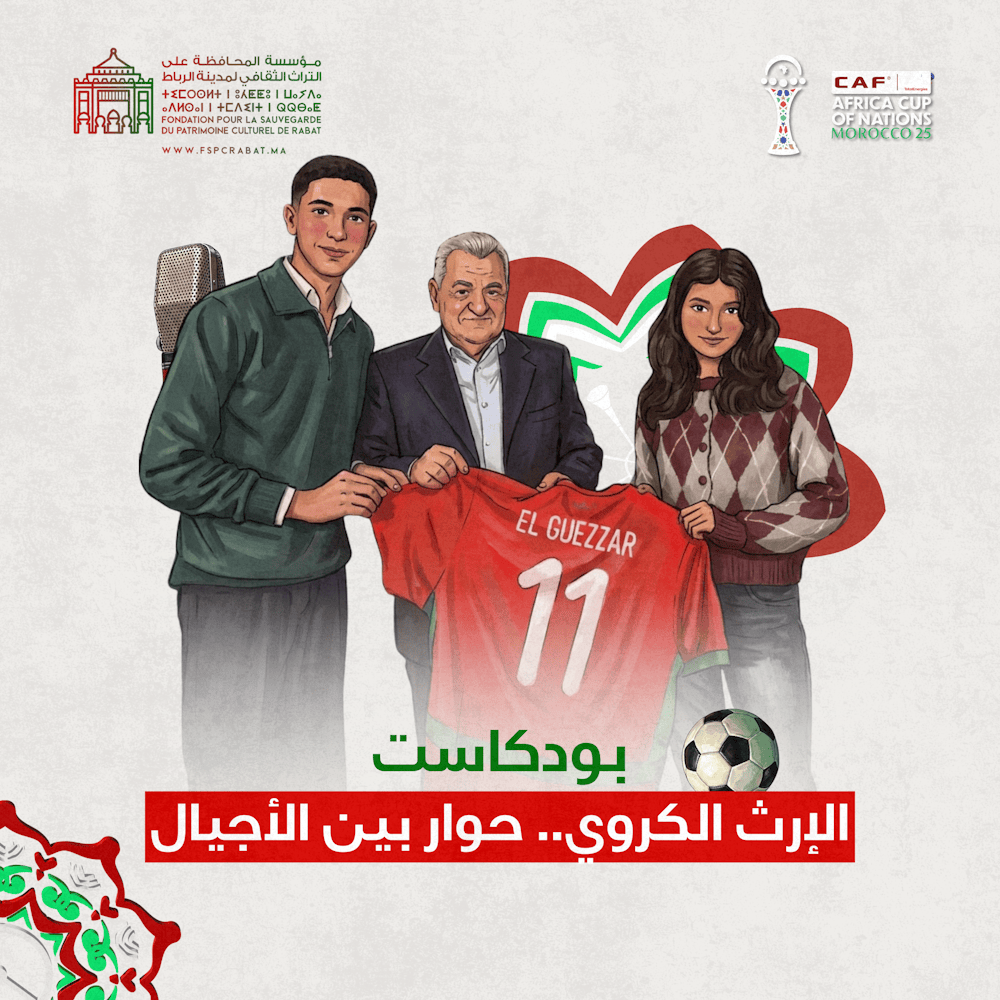
From Morocco to Ethiopia, an extraordinary journey marked by unprecedented continental brilliance, brought to life in sound and vision with our guest, former player Redouane GUEZZAR.

This podcast preserves Moroccan sports memory through a conversation led by Sarah Rabih and Ishaq El Hafiane, both participants in the Foundation’s educational programs.

Generation “AFCON 2025” meets generation “AFCON 1976” in a unique podcast connecting past and present, celebrating Morocco’s football legacy.

Listen now!

23 December 2025